Overview
Ama Dablam Overview
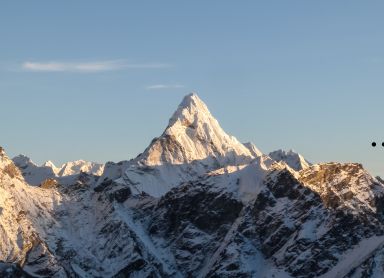
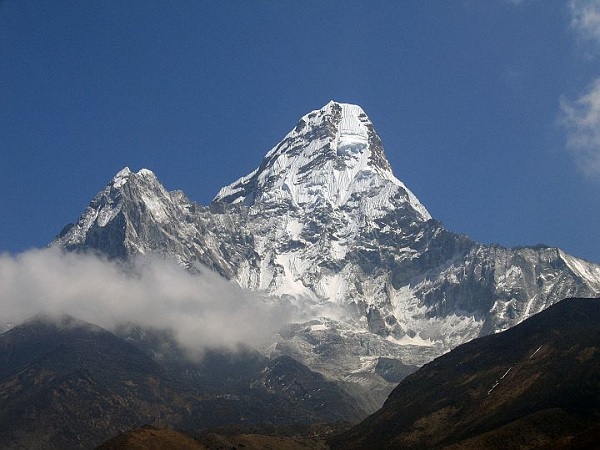
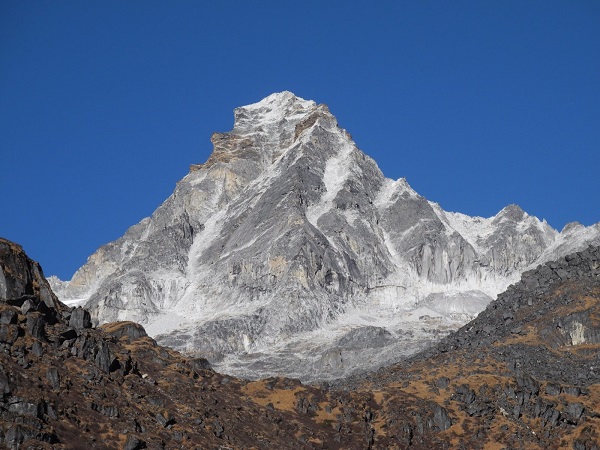
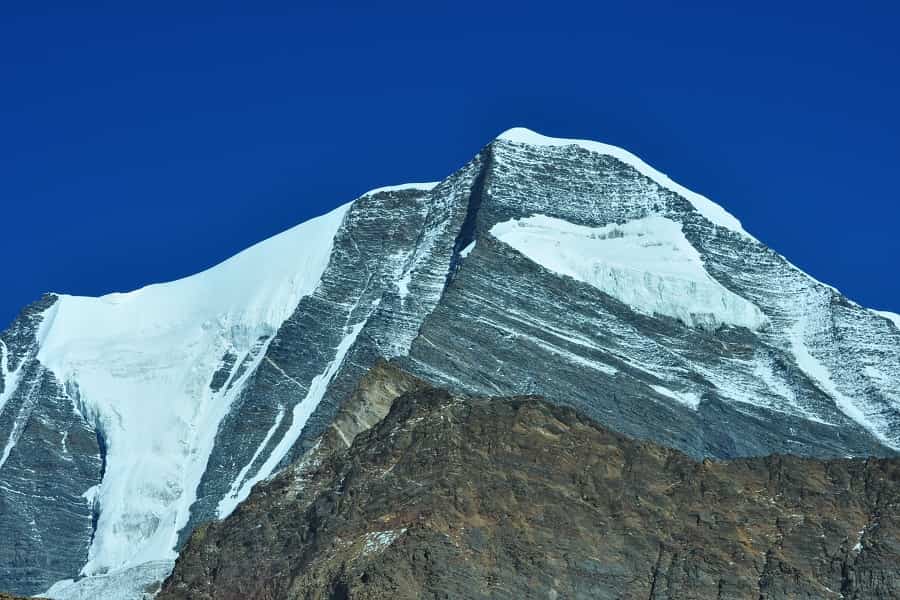
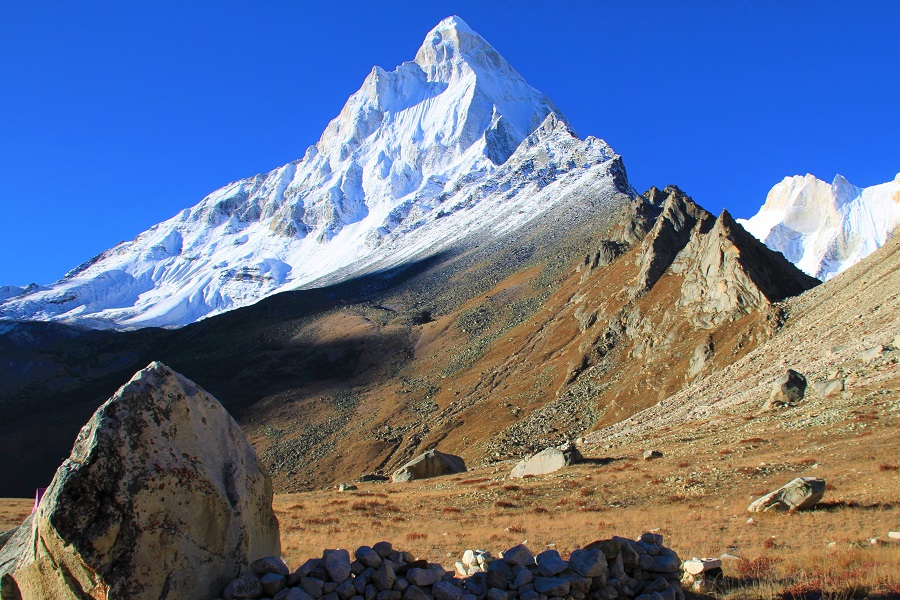
Ama Dablam, standing at 6,812 meters (22,349 feet), is widely regarded as one of the most beautiful and iconic mountains in the world. Located in the Khumbu region of Nepal, this stunning peak is often called the 'Matterhorn of the Himalayas' due to its perfect pyramidal shape and dramatic ridges. The mountain's name translates to 'Mother's Necklace,' with 'Ama' meaning mother and 'Dablam' referring to the traditional double-pendant worn by Sherpa women, perfectly describing the mountain's hanging glacier.
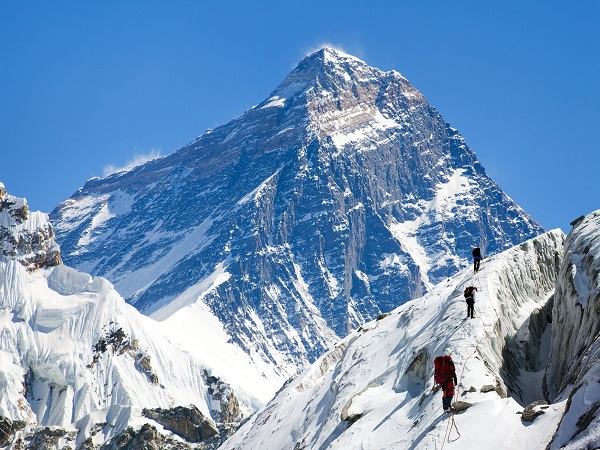
For mountaineers worldwide, Ama Dablam represents the ultimate test of technical climbing skills in the Himalayas. While not among the highest peaks, its combination of steep rock faces, ice climbing sections, and exposed ridge traverses make it one of the most challenging and rewarding climbs in Nepal. The mountain offers breathtaking views of Everest, Lhotse, and the entire Khumbu valley, making every step of the journey unforgettable
Ama Dablam Mountain: Geography and Significance
Ama Dablam Location and Geography
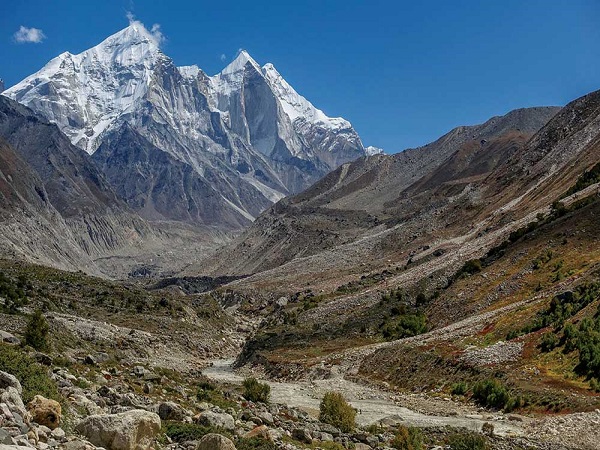
Ama Dablam is situated in the Himalaya range of eastern Nepal, within Sagarmatha National Park. The mountain lies approximately 30 kilometers northeast of Lukla and dominates the skyline above Tengboche Monastery, one of the most important spiritual sites in the Khumbu region. Its location makes it visible from many points along the classic Everest Base Camp trek, where it serves as a constant inspiration to trekkers and climbers alike.
The mountain features three distinct ridges: the Southwest Ridge (standard route), the Northwest Ridge, and the North Ridge. Each presents unique challenges and has played a role in the mountain's climbing history. The Southwest Ridge, first climbed in 1961, remains the most popular route and offers the most reasonable balance of difficulty and safety for experienced climbers
Cultural and Spiritual Significance
For the Sherpa people, Ama Dablam holds deep spiritual significance. The mountain is considered sacred, and traditional beliefs view it as a protective deity watching over the Khumbu valley. Local Sherpa communities have maintained a respectful relationship with the mountain for generations, and Buddhist prayers and rituals are an integral part of any expedition to its slopes.
The Tengboche Monastery, positioned at 3,867 meters with spectacular views of Ama Dablam, serves as a spiritual hub for the region. Many climbing expeditions receive blessings from the monastery's monks before attempting the summit, honoring the traditional connection between mountaineering and local culture.
Ama Dablam Height and Technical Specifications
The official height of Ama Dablam is 6,812 meters (22,349 feet) above sea level. While this makes it significantly lower than the 8,000-meter peaks, the mountain's technical difficulty and exposure make it a formidable challenge that demands respect and proper preparation.
| Specification | Details |
| Height | 6,812m / 22,349ft |
| Location | Khumbu Region, Nepal |
| First Ascent | March 13, 1961 |
| Prominence | 1,041m / 3,415ft |
| Coordinates | 27°51'45"N 86°51'42"E |
Ama Dablam Base Camp:
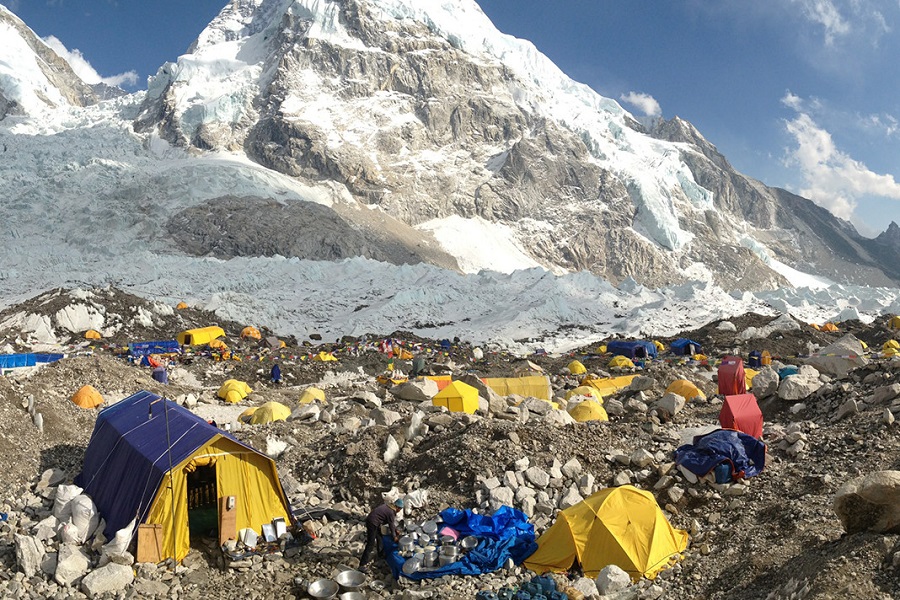
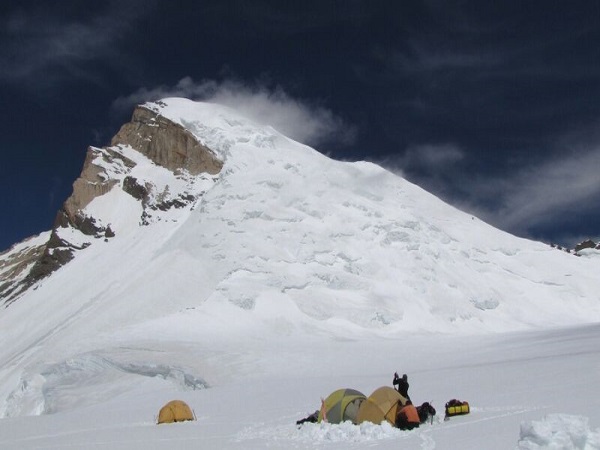
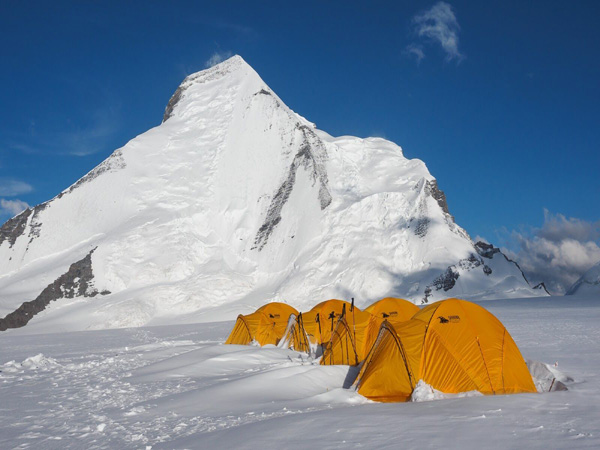
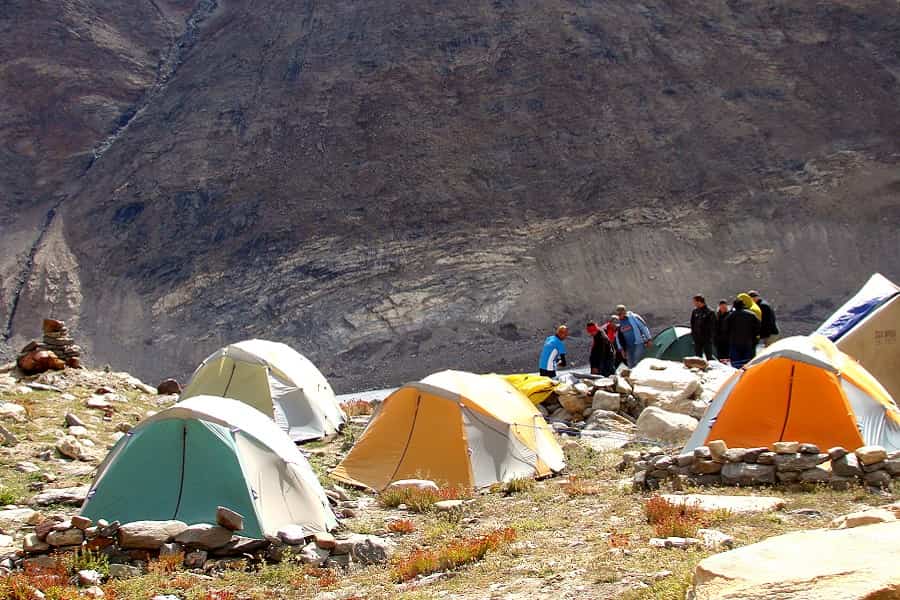
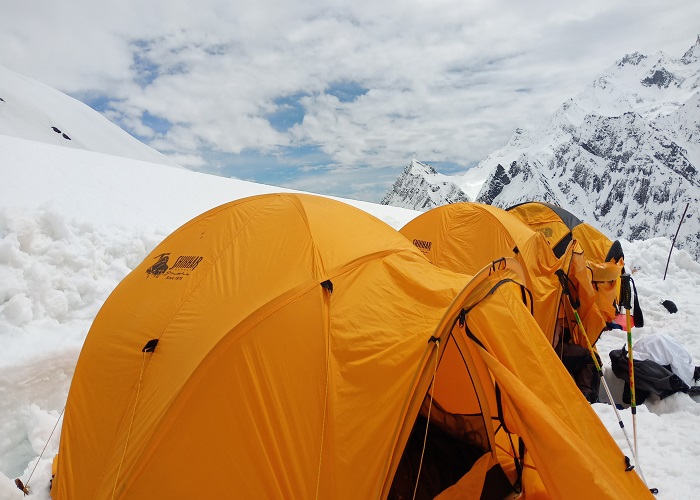
Ama Dablam Base Camp is located at approximately 4,600 meters (15,092 feet) in a spectacular alpine setting beneath the Southwest Ridge. The base camp serves as the primary staging area for climbing expeditions and offers stunning views of the mountain's south face. The camp typically consists of dining tents, kitchen facilities, and individual sleeping tents for climbers and support staff.
Base Camp Facilities and Service
Modern Ama Dablam expeditions provide comprehensive base camp facilities including:
• Heated dining tents with comfortable seating
• Professional kitchen staff and nutritious meal preparation
• Communication systems including satellite phones and WiFi
• Toilet facilities and hygiene stations
• Medical supplies and oxygen for emergencies
• Equipment storage and drying areas
• Weather forecasting and route planning resources
Ama Dablam Difficulty:
Ama Dablam is rated as a technically demanding climb, typically classified as Alpine Grade AD+ (assez difficile plus) or PD+ (peu difficile plus) depending on conditions. The mountain requires solid mountaineering skills across multiple disciplines and should not be underestimated despite its moderate altitude.
Technical Requirements
Climbers attempting Ama Dablam must be proficient in:
• Ice climbing (50-70 degree slopes)
• Rock climbing (up to 5.6-5.7 grade terrain)
• Jumar and rappel techniques on fixed ropes
• Crampon skills on steep ice and mixed terrain
• Crevasse rescue and rope work
• High-altitude camping and survival skills
• Navigation in whiteout conditions
Best Season to Climb Ama Dablam
Ama Dablam has two primary climbing seasons, each offering distinct advantages and challenges:
Spring Season (April-May)
Spring is the most popular season for Ama Dablam expeditions. The weather is generally stable with warmer temperatures and longer days. However, this season sees more climbers on the mountain, which can create bottlenecks at technical sections like the Yellow Tower. The route is typically well-established with fixed ropes in place from earlier expeditions.
Autumn Season (October-November)
Autumn offers clearer skies and spectacular mountain views. The post-monsoon period provides stable weather conditions, though temperatures are colder than spring. Autumn expeditions benefit from fewer climbers on the route and often experience less crowded base camp conditions. Many experienced climbers prefer autumn for its superior visibility and photographic opportunities.