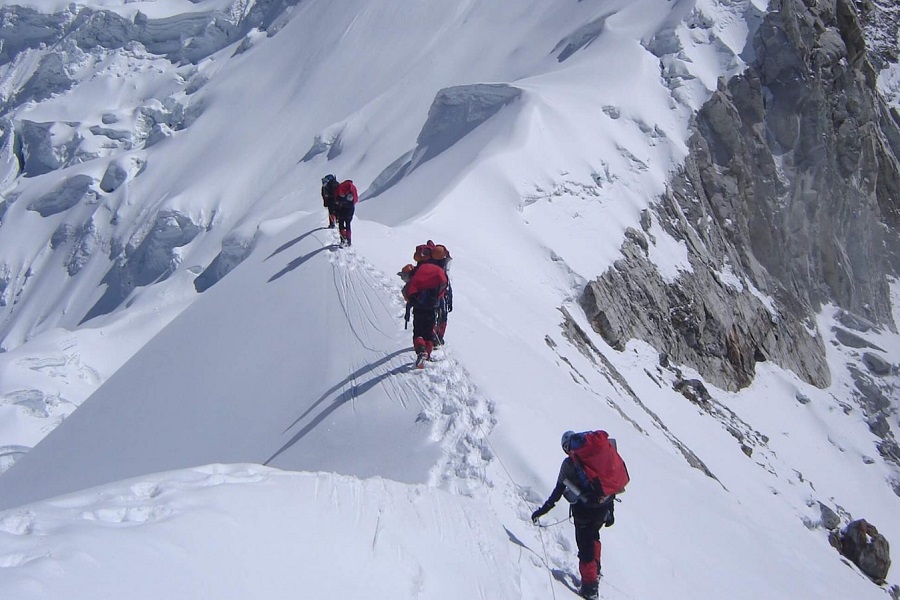


Overview
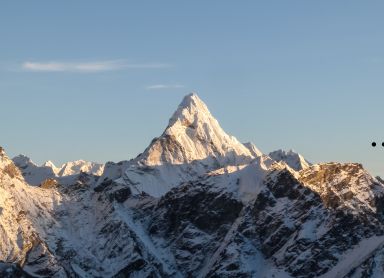
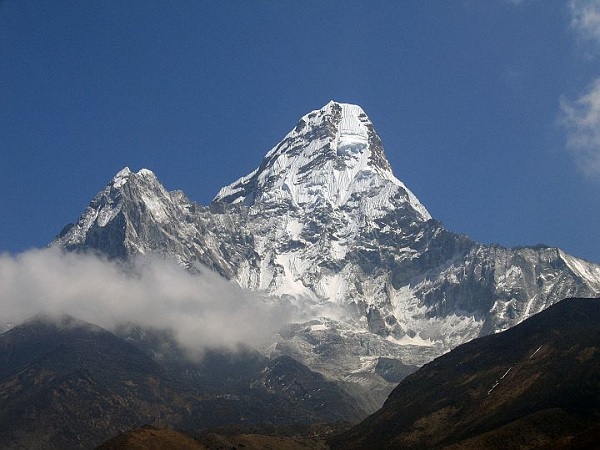
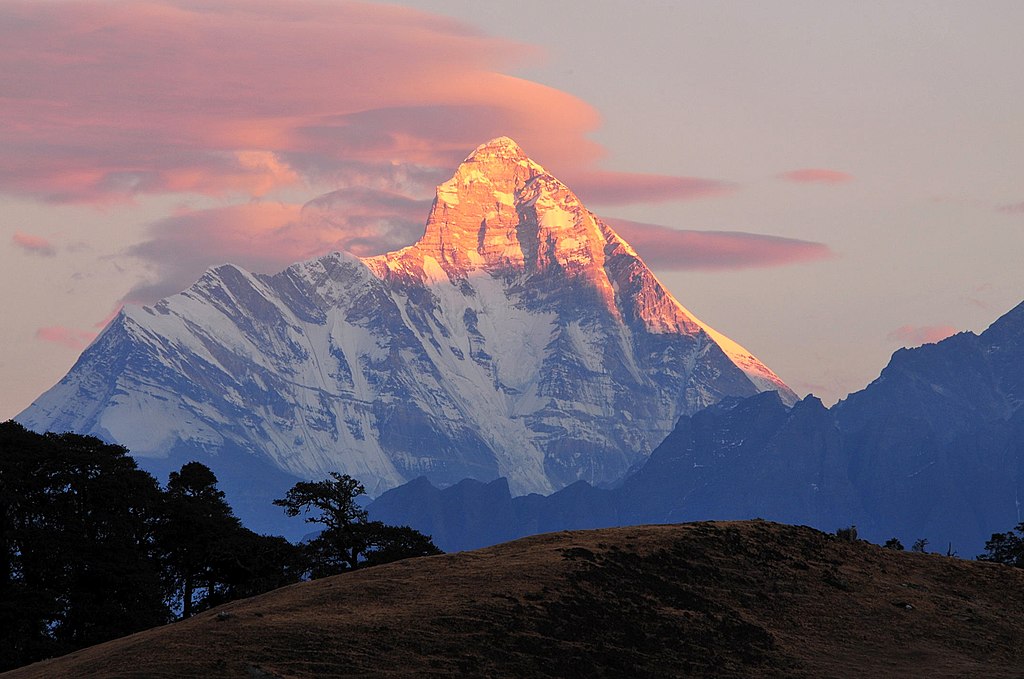
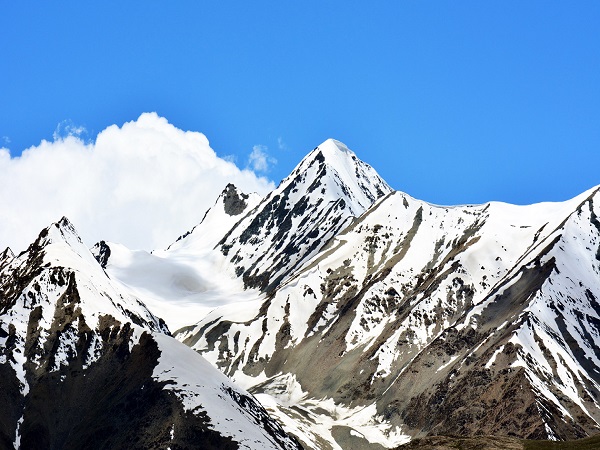
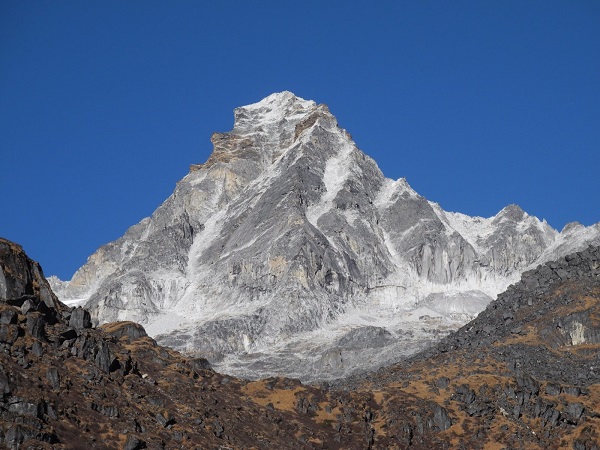
Kanchenjunga (8,586m), the third highest mountain in the world, stands tall on the border of Nepal and Sikkim (India). Known as the “Five Treasures of the Great Snow,” Kanchenjunga is more than a climb—it’s a spiritual journey. Unlike Everest or K2, the Kanchenjunga expedition offers fewer crowds, wilder terrain, and an unmatched sense of isolation in the high Himalayas.
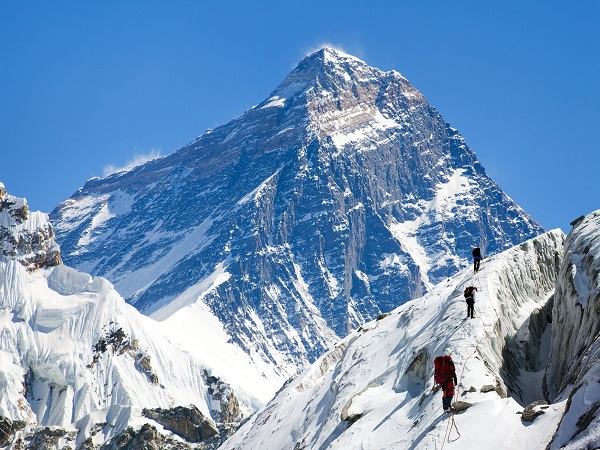
Climbers are drawn here not just for its height but for the mountain’s sheer beauty, sacred aura, and technical challenge. The routes involve steep mixed climbing, high-altitude endurance, and navigating one of the remotest regions of the Himalaya.
If you are dreaming of a true Himalayan giant expedition, Kanchenjunga is a climb that tests not just your strength but your spirit.
Why Climb Kanchenjunga?
➾ World’s 3rd Highest Peak (8,586m)
➾ Remote & Untouched – fewer climbers compared to Everest
➾ Technical Challenge – ice, rock, and mixed terrain
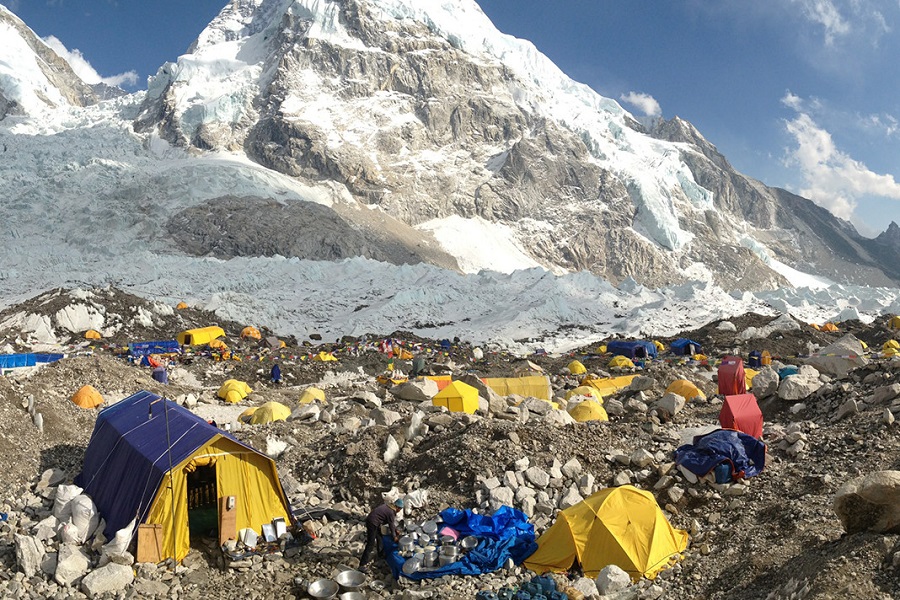
➾ Pristine Wilderness – deep valleys, ancient forests, and isolated Sherpa villages
➾ Cultural Significance – worshiped as sacred by locals
Routes to the Summit
There are two main approaches to Kanchenjunga:
➾ South Face (Nepal) – Classic but highly technical.
➾ North Face (Nepal) – Longer approach, safer but extremely demanding.
Most expeditions choose the North Face, as it offers better acclimatization and slightly lower avalanche risk, though still highly challenging.
Best Time for the Kanchenjunga Expedition
The climbing windows are similar to other 8000ers:
➾ Pre-Monsoon (Spring: April – May) – Stable weather, less snowfall, longer days.
➾ Post-Monsoon (Autumn: September – October) – Clear skies, colder temperatures, but shorter days.