Behind the Scenes: Organizing a Himalayan Expedition
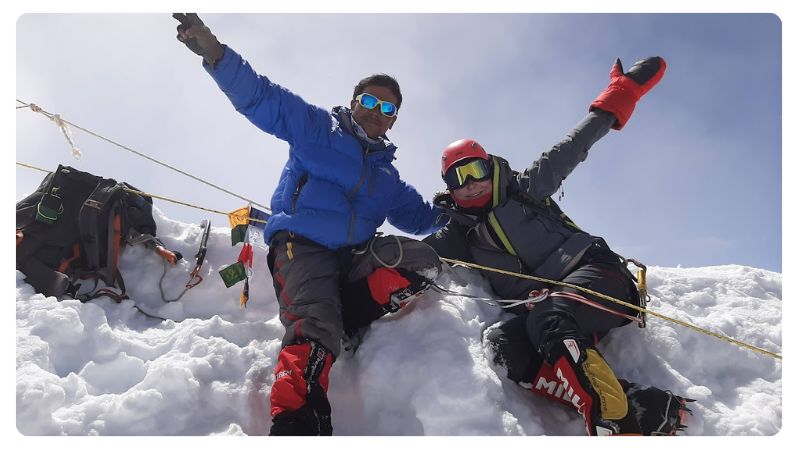
Planning a Himalayan expedition isn’t just about packing your bags and heading to the mountains. It’s a complex orchestration of logistics, safety protocols, and meticulous planning that begins months before the first step on the trail. With over 46 years of experience organizing 400+ successful expeditions, we’re pulling back the curtain to show you what really goes into making these incredible adventures possible
The Pre-Expedition Phase: Where Success Begins
Building the Dream Team
A typical expedition requires 15-20 support staff for every 5-8 climbers. This includes:
- High-altitude Sherpas – experienced climbers who establish camps and fix ropes
- Base camp manager – coordinates all ground logistics
- Medical officer – handles altitude sickness and emergencies
- Cooks and kitchen staff – prepare nutritious high-altitude meals
- Porters and load carriers – transport 2-3 tons of gear and supplies
Recruiting experienced personnel who understand mountain ethics and safety protocols is non-negotiable. Many of our Sherpas have been with us for 10+ years, bringing invaluable expertise to each expedition.

Logistics: The Invisible Backbone
Transportation logistics are staggering. A single Mount Nun expedition requires:
- 40+ loads of equipment (tents, ropes, food, fuel)
- Multiple vehicle transfers from Delhi to Ladakh
- Helicopter standby for emergencies
- Satellite communication equipment
- Portable weather stations
We establish supply caches at multiple camps, ensuring climbers never run out of essentials. Fuel calculations alone require precision underestimate, and you risk hypothermia; overestimate, and porters carry unnecessary weight.
Check Here: 7000 Meter Mountains
Safety Protocols: Non-Negotiable Standards
Safety is where experience truly matters. Our protocols include:
- Acclimatization schedules – carefully planned rest days prevent altitude sickness
- Communication systems – satellite phones, walkie-talkies at each camp
- Emergency evacuation plans – pre-arranged helicopter rescue contracts
- Medical kits – comprehensive supplies including altitude medications, oxygen cylinders
- Weather monitoring – real-time updates inform go/no-go decisions
We maintain a 1:2 guide-to-climber ratio on technical peaks, ensuring personalized attention and rapid response during emergencies.
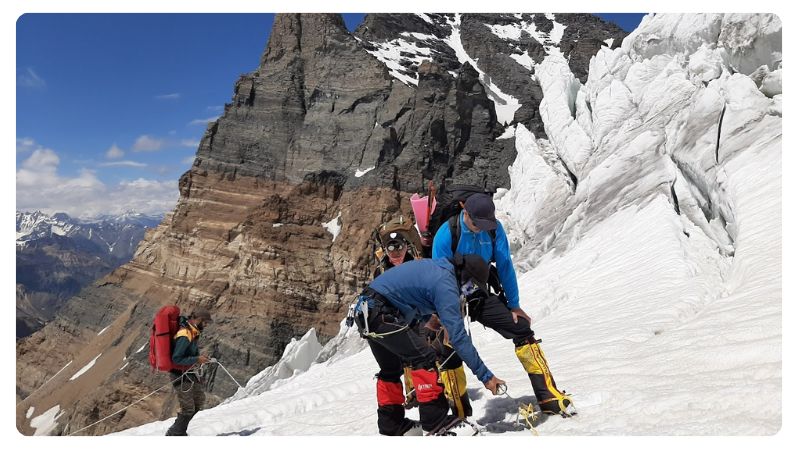
The Numbers Behind an Expedition
Here’s a comparison of what it takes to organize expeditions at different altitudes:
| Aspect | Trekking Peak (<6000m) | Technical Peak (7000m+) |
| Planning Time | 3-4 months | 8-12 months |
| Team Size | 10-12 support staff | 18-25 support staff |
| Base Camp Setup | 5-7 days | 10-14 days |
| Equipment Weight | 800-1000 kg | 2500-3000 kg |
| Permit Cost | $800-1500 | $3000-8000 |
| Acclimatization Days | 3-5 days | 12-18 days |
| Total Expedition Duration | 12-15 days | 24-30 days |
Food & Nutrition: Fueling High-Altitude Performance
At altitude, appetites disappear but caloric needs skyrocket. Our expedition cooks prepare 4,000-5,000 calorie meals daily, focusing on easily digestible carbohydrates and proteins. Menu planning considers:
- Lightweight, high-calorie foods
- Cultural dietary preferences
- Gradual menu adjustments as altitude increases
- Comfort foods that boost morale
Fresh vegetables last only until Camp 2; beyond that, dried and preserved foods dominate.
Check Here: 8000 Meter Mountains
The Environmental Responsibility
Modern expeditions must be environmentally conscious. We follow strict Leave No Trace principles:
- All non-biodegradable waste is carried back to base camp
- Human waste management systems at high camps
- Reusable equipment to minimize single-use plastics
- Support for local communities through fair wages and employment
For travelers planning adventures beyond mountaineering, exploring diverse India tour packages offers incredible cultural experiences alongside outdoor adventures.

When Things Don’t Go As Planned
Despite meticulous planning, mountains are unpredictable. We’ve handled:
- Sudden weather changes forcing multi-day delays
- Medical evacuations requiring split-second decisions
- Equipment failures at critical moments
- Team dynamics requiring conflict resolution
Experience teaches you to build contingencies for contingencies. Every expedition carries 30% extra food, fuel, and supplies.
The Unseen Coordination
While climbers sleep, our team:
- Monitors weather forecasts every 6 hours
- Coordinates with rescue services
- Updates families back home
- Adjusts summit push timelines
- Manages satellite communication schedules
Base camp operates 24/7, ensuring someone is always alert and ready to respond.
Why Professional Organization Matters
Amateur expeditions have a 40-50% failure rate; professionally organized expeditions see 80-85% success rates. The difference isn’t just about reaching the summit – it’s about bringing everyone home safely.
Our decades of experience mean we’ve refined systems, built relationships with local communities, and learned from both successes and setbacks. Every detail, from rope quality to meal timing, reflects hard-earned wisdom.
The Reward: Making Dreams Reality
There’s nothing quite like watching clients stand on a summit they’ve dreamed about for years. Behind that moment are months of planning, hundreds of hours of coordination, and the combined effort of dozens of professionals working seamlessly together.
Organizing a Himalayan expedition is part science, part art, and wholly dedicated to creating safe, successful, transformative experiences in the world’s greatest mountain range.